Apesar dos progressos alcançados, a igualdade efetiva entre homens e mulheres ainda está muito longe. As desigualdades estruturais estão na ordem do dia em todas as áreas e as políticas públicas ainda estão longe de ser equitativas

Apesar dos progressos alcançados, a igualdade efetiva entre homens e mulheres ainda está muito longe. As desigualdades estruturais estão na ordem do dia em todas as áreas e as políticas públicas ainda estão longe de ser equitativas

A segunda reunião plenária da Rede foi realizada em 5 de julho. Durante a reunião, as informações dos grupos de trabalho foram atualizadas e o foco principal da sessão foi o debate aberto sobre " como uma instância de coleta de conhecimento compartilhado nesta área. O encerramento da sessão, com a intenção de acrescentar atores plurais para pensar em segurança, esteve a cargo da empresa De croché títeres, que apresentou uma peça refletindo sobre a situação de violência na Colômbia.
The second plenary meeting of the Network was held on 5 July. At the meeting the information of the working groups was updated and the main focus of the session was the open debate on "The question of data in public policy" as an instance of gathering shared knowledge in this area.
The closing of the meeting, with the intention of bringing together plural actors to think about security, was in charge of the De croché puppet company, who presented a play reflecting on the situation of violence in Colombia.
So far this century, although various governments have offered to implement integrated public security policies against maras or gangs, i.e. a systematic combination of prevention, institutional strengthening, social reinsertion and repression, in practice, at different times, one of these approaches has prevailed: exacerbated punishment (mano dura plans), selective punishment (prosecution, investigation and police intelligence) and informal agreements between gangs, known as truces, to reduce homicides, which, while not the only indicator of violence, are a fundamental one.
Até o presente século, embora vários governos tenham se oferecido para implementar políticas de segurança abrangentes contra maras ou gangues, ou seja, uma combinação sistemática de prevenção, fortalecimento institucional, reinserção social e repressão, na prática, em diferentes momentos, uma dessas abordagens prevaleceu: punição exacerbada (planos mano dura), punição seletiva (ação penal, investigação e inteligência policial) e acordos informais entre gangues, conhecidos como truces, para reduzir os homicídios que, embora não sejam o único indicador de violência, são fundamentais.

By Vicens Valentín. Depending on the legal framework, the police apparatus will respond to a specific police model, communitarian for the Anglo-Saxons and governmental for the continental ones. Based on this legal framework and the derived state form - from a formal point of view - we can speak of the different versions and formulas of the state, administration and police force.

By: Amadeu Recasens i Brunet It is necessary to include the police model in a security model and in the corresponding public security policies. In them, the police are no longer the sole actor, not even the main actor. They constitute one more, important actor, but one more, in concurrence / cooperation with other actors and with the panoply of resources available in the distribution established at any given moment.

In this post we want to share The 2020 Document of the Human Safety and Community Construction Working Group aims to reflect on the possibilities and limitations of an alternative concept of safety that places the needs of people as the focus of their attention and care. From this point of view
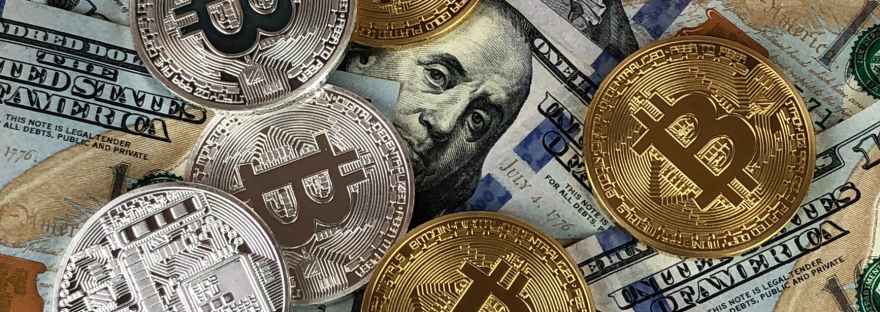
The money being made by criminal economies are those that allow them to continue operating, corrupting institutions, taking advantage of vulnerabilities and affecting the security of the State. Because this money not only flows in the criminal economy, but mixes with the legal and informal economy through money laundering manoeuvres and reinvestment in illegal activities, influencing the incomes and expenditures emerging data from the circular flow chart of the real economy.

The socio-economic landscape we live in is increasingly complex and globalized. Power structures and decision-making schemes have been starkly altered in the recent past, making any effort to curb the negative effects of the current economic model all the more challenging.
 RISE.org